Acne Scar Treatments in Asheville & Hendersonville, NC
Acne scars can serve as a lasting reminder of past breakouts, even years after your skin has cleared. These textural changes occur when the skin's healing process is disrupted by inflammation, resulting in scars that often require specialized treatments to improve. At Harpe Laser and Wellness, we take a personalized approach to acne scar revision, combining advanced technologies and evidence-based treatments to help patients throughout Asheville and Hendersonville improve skin texture and feel more confident in their appearance.
Key Takaways
What Causes Acne Scars?
Acne scarring results from damage to the skin caused by past breakouts. When inflammation from active acne penetrates the deeper layers of the dermis and affects the underlying tissue that gives skin its structure, instead of repairing itself smoothly, the skin may produce too little or too much collagen, resulting in indentations, uneven texture, or raised areas. Factors such as genetics, skin type, and the severity of previous breakouts can all influence how likely someone is to scar.
Inflammation
Intense, prolonged inflammation around clogged pores breaks down normal skin tissue and sets the stage for permanent acne damage. Deep, painful cystic acne on the cheeks, temples, and jawline is especially likely to result in rolling and boxcar scars. Early control of inflammation-whether during the teen years or early twenties-can meaningfully reduce the risk of later acne scarring.
Collagen Damage
Collagen acts as the skin's internal support structure. When it is destroyed by inflammation, the skin's surface can sink or raise as scars form. Too little collagen production during healing leads to atrophic scars-indented scars such as rolling, boxcar, and ice pick scars. Atrophic scars are indented due to insufficient collagen production and affect 80% to 90% of acne sufferers. Conversely, too much collagen leads to hypertrophic scars and raised areas. The most effective treatment options-like RF microneedling and laser resurfacing-work by encouraging the body's natural healing process to stimulate collagen production in these damaged areas.
Delayed Healing
The way your skin heals after a breakout plays a major role in whether a scar develops. When the skin struggles to recover from a breakout, it can create uneven scar tissue that leaves lasting changes in texture. Things like chronic inflammation, stress, smoking, poor sleep habits, and sun damage can all make it harder for the skin to heal properly. Even after active acne has been quiet for years, the underlying scar tissue remains rigid, which is why old acne scars can still be treated but usually require multiple sessions.
Severity of Acne
Deeper, more severe inflammatory acne, such as nodules or cysts, has a far higher chance of leaving permanent acne scars than small whiteheads or blackheads. Patients with a history of severe scarring in their teens or twenties should consider early acne scar evaluation, even when current breakouts are minimal. More complex scar patterns from severe acne typically benefit from combining treatments for the best acne scar reduction.
Picking or Manipulation
Squeezing, picking, or "popping" lesions physically damages the surrounding skin and drives bacteria and inflammation deeper, increasing the chance of boxcar and ice pick scars and further irritation. Many patients picked at their skin out of stress or frustration and now feel stuck with visible scars-that's understandable. While we can't undo the past, we can plan targeted treatments to soften the reminders of previous acne.
Types of Acne Scars
If you've ever looked closely at your skin and noticed that some scars seem shallow while others are deeper or more noticeable, there's a reason for that. Most acne scars fall into different categories, and many patients have more than one type. Atrophic acne scars, including rolling scars, boxcar scars, and ice pick scars, are depressed scars resulting from collagen loss. Hypertrophic and keloid scars are raised scars caused by excess collagen. Each responds differently to professional treatments. During consultation at Harpe Laser and Wellness, your provider will map scar patterns in good lighting to determine the right treatment path for you.

Rolling Scars
Rolling scars create gentle dips and valleys in the skin that can give the cheeks or lower face an uneven, wavy appearance. These scars develop when bands of scar tissue form beneath the skin and pull it downward. Because these scars involve changes below the skin's surface, rolling scars often respond best to treatments that release these attachments while encouraging new collagen production to help smooth the skin over time.

Boxcar Scars
Boxcar scars often appear on the cheeks and temples as wider depressions in the skin with more noticeable edges than rolling scars. The depth and defined borders of these scars can make them more visible. Treatments that resurface the skin and stimulate collagen production can help soften these edges, improve texture, and create a smoother overall appearance.
Ice Pick Scars
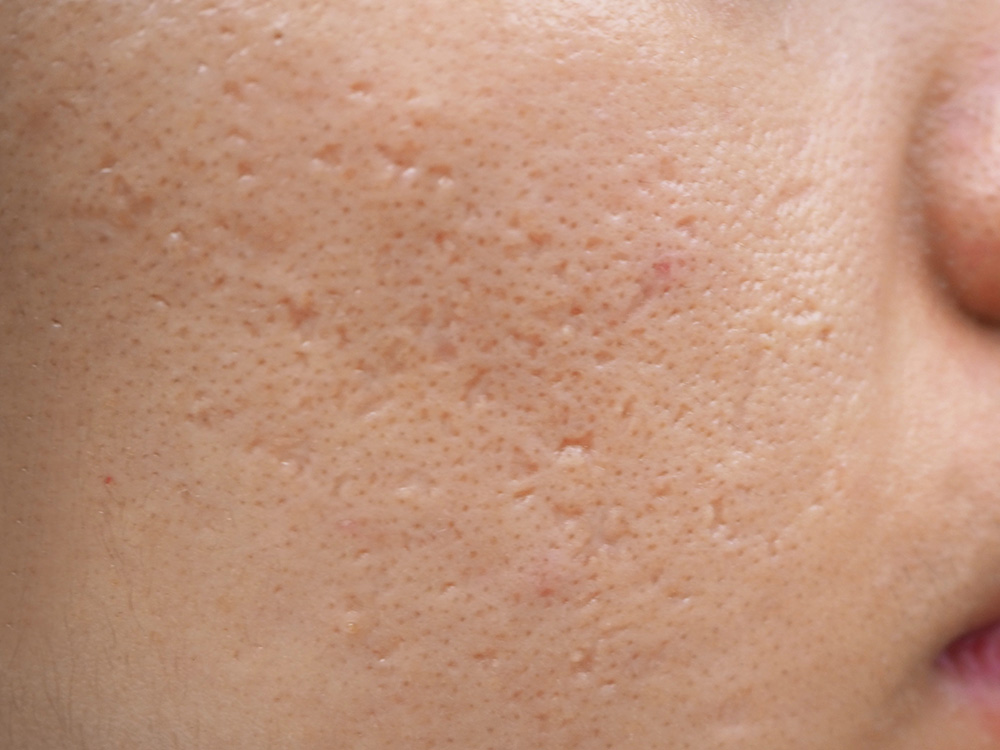
Ice pick scars are narrow but deep scars-pinpoint indentations that extend into the dermis. Representing roughly 60–70% of atrophic scars, they can be challenging to treat and may require focused techniques like VI Peel, which uses trichloroacetic acid to treat ice pick scars by inducing localized chemical coagulation, sometimes combined with other treatments. Expectations should be conservative for the deepest ice pick scars, focusing on softening and blending to diminish their appearance.
Hypertrophic Scars
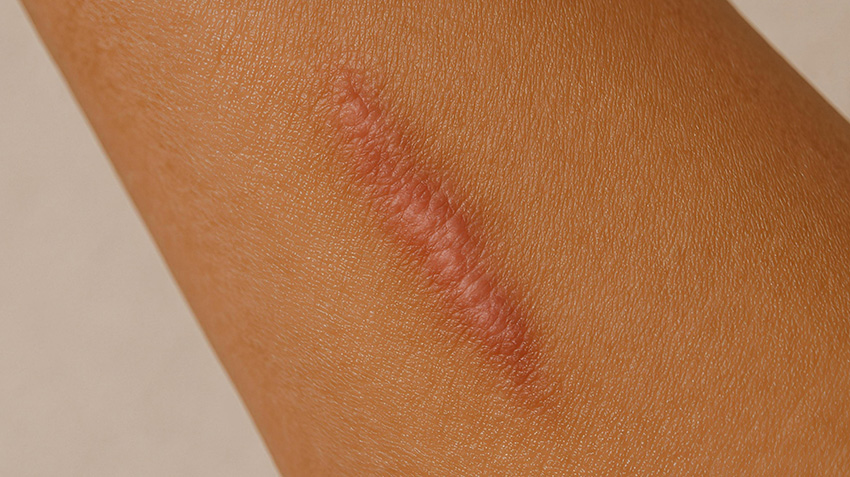
Unlike depressed acne scars, hypertrophic scars are raised areas of scar tissue that develop when the skin produces too much collagen during the healing process. They may feel thicker than the surrounding skin and can sometimes be itchy, tender, or discolored. Treatment options may include steroid injections, specialized energy-based treatments, or other therapies designed to help flatten and soften the scar over time.
Acne Scars vs Post-Inflammatory Hyperpigmentation
Many people seeking treatment for acne scar removal actually have flat dark or red marks-not true scars. Here's how to tell the difference:

Darker skin tones are more prone to lingering pigmentation, and sun protection is critical. Topical retinoids speed up skin cell turnover and fade dark post-acne marks. Topical skincare products may help fade post-acne discoloration, but they cannot address the deep structural changes associated with true acne scars. While medical-grade skincare and chemical peels can be effective for improving post-inflammatory hyperpigmentation, acne scars often require procedures that stimulate collagen production and support skin remodeling.
Why Acne Scars Don't Fade Like Acne Marks
It's frustrating to still see scars years after acne heals, but scars persist because the internal architecture of the skin has changed. Acne marks fade as pigment cells normalize and shed, while scars involve missing or excess collagen that does not correct itself without intervention. Natural remedies lack the potency to reshape structural scar tissue. Collagen remodeling is a slow biological process-even the most effective treatment for acne scars shows gradual improvement over months. For more information, the American Academy of Dermatology offers a helpful overview of acne scar treatment options.
Professional Treatments for Acne Scars
If you've tried skincare products without seeing much improvement in your acne scars, you're not alone. Because different scar types respond differently to treatment, a customized approach is essential. In many cases, the best results come from combining multiple treatments to address different aspects of scarring and support long-term skin improvement.
Microneedling
Microneedling is a treatment that can help improve the appearance of atrophic acne scars by stimulating the skin's regenerative process and supporting the formation of healthier skin tissue. As the skin repairs itself, patients may notice smoother texture and a more even complexion. Microneedling can be particularly helpful for blending scar borders, refining uneven texture, and reducing the visibility of mild to moderate acne scars over time. It is frequently incorporated into acne scar treatment plans because it complements laser treatments, chemical peels, PRP, and other collagen-stimulating procedures to enhance overall results.
RF Microneedling
This treatment is especially helpful for rolling scars and mixed depressed acne scars because it targets tethering and depth while respecting the skin's surface. Microneedling creates controlled injuries to stimulate healing and new collagen production, while the added radiofrequency energy delivers heat deep within the skin to enhance collagen remodeling and tissue tightening. Combining this treatment with PRP (platelet-rich plasma) significantly enhances the healing response and boosts collagen production.
Chemical Peels
Medical-grade chemical peels are controlled exfoliating treatments. Chemical peels use acids-such as glycolic acid, salicylic acid, or trichloroacetic acid-to remove damaged skin cells and encourage new skin growth. Mild and medium peels can soften very shallow scars and significantly improve overall skin tone and clarity. Lighter, repeated peels are often preferred for darker skin tones to reduce the risk of pigment changes. Downtime depends on the peel depth. Superficial peels require less downtime than deep peels, which involve more recovery time. A consistent skincare routine and strict sun protection are essential between sessions.
Sculptra
Sculptra offers a different approach to acne scar treatment by helping your skin rebuild its own collagen over time. This treatment is an excellent option for certain types of atrophic acne scars, such as rolling and boxcar scars, as well as for generalized facial volume loss from long-term acne scarring. Rather than filling individual scars, it works beneath the surface to gradually restore support in areas affected by collagen loss. Results develop progressively over several months, creating natural-looking improvement in skin texture and overall facial rejuvenation. Sculptra is most effective when combined with RF microneedling or skin resurfacing treatments, for a more comprehensive approach to acne scar correction.
CoolPeel and DEKA CO2 Laser Resurfacing
Laser resurfacing is one of the most effective ways to improve acne scars, uneven skin texture, and other lasting reminders of past breakouts. At Harpe Laser and Wellness, we offer both CoolPeel and DEKA CO2 laser treatments, allowing us to customize treatment intensity based on scar severity, skin type, and recovery preferences.
CoolPeel
CoolPeel is a gentler CO2 laser treatment that refreshes the skin with minimal downtime. It can improve mild acne scarring, rough texture, and promote skin renewal. Most patients experience a few days of redness and light peeling before skin looks smoother and brighter.
DEKA CO2
For more significant acne scarring, DEKA CO2 laser resurfacing provides a deeper level of skin remodeling. This treatment penetrates deeper into the skin to target deeper boxcar scars, stubborn texture concerns, and long-standing acne-scar damage. While recovery is typically longer than with CoolPeel, the treatment can deliver more dramatic improvements in skin smoothness and overall texture.
Both treatments stimulate collagen production and support healthier skin over time. The right choice depends on the severity of your scars, your skin type, and how much downtime you're comfortable with.
Sofwave
Sofwave is a non-invasive procedure that enhances skin texture and firmness, complementing traditional acne scar treatments. It employs ultrasound energy to induce the body's natural collagen production, strengthening the skin's structural layers. Although Sofwave does not directly resurface scars, it can enhance skin texture, firmness, and elasticity over time, making depressed scars less visible.
Combination Treatments
When it comes to acne scars, there is rarely a single treatment that addresses every concern. Combining treatments enhances overall outcomes for acne scars. As an example, research shows that combining microneedling with chemical peels yields more comprehensive results: 40–50% of patients in combination therapy achieved 75% or greater scar improvement, compared with only 13% with a single modality. At Harpe Laser and Wellness, no two acne scar plans are identical. Our expert providers create treatment plans that are carefully sequenced over several months to balance collagen stimulation, healing time, and the patient's schedule.
Which Acne Scar Treatment Is Right for You?
There is no single "best" acne scar treatment for everyone. A professional evaluation helps avoid ineffective treatments and wasted time. During the consultation, our experienced providers evaluate scar type, skin health, medical history, and practical concerns like downtime and budget before recommending a plan.
Scar Type
Rolling, boxcar, ice pick, and hypertrophic scars each respond best to specific technologies. Accurate identification of your dominant scar type is the first step in building an effective acne scar resurfacing and revision plan.
Skin Type
Natural skin color, thickness, and sensitivity influence treatment intensity. Laser treatments must be carefully tailored for darker skin tones due to a higher risk of side effects, including post-inflammatory hyperpigmentation. Our team has experience tailoring treatments safely for a wide range of skin types in Western North Carolina.
Severity
Mild acne scars or a few shallow scars may respond well to a short series of lighter treatments, while deep atrophic scars and extensive scarring require a more intensive approach. Very severe scarring may not disappear entirely but can usually be significantly softened to achieve smoother, more confident skin.
Downtime Preferences
Some treatments offer minimal downtime-lighter RF microneedling or superficial peels-while more aggressive resurfacing like deeper CoolPeel CO₂ provides greater change but longer recovery. Patients with busy schedules can choose staged treatments with shorter recoveries.
Treatment Goals
Consider whether your priority is smoother texture, better makeup application, feeling more confident in photos, or improving both scars and discoloration. Clear goals help us balance aggressiveness, budget, and timeline when tailoring your plan.
Why Earlier Treatment Can Improve Outcomes
While acne scars can be treated years later, earlier intervention takes advantage of more responsive collagen and less entrenched scar tissue. Scars continue to "mature" over 12–24 months, and thoughtful treatment during this window may limit how rigid they become. If scars are already decades old, improvement is still possible, though it may require more sessions and a more layered approach. Scheduling a consultation when scars first become noticeable can make acne scar revision more efficient.
What Results Can You Expect?
Our goal is noticeable acne scar reduction and healthier-looking skin, not the unrealistic promise of overnight erasure. Multiple sessions are often needed for significant improvement in acne scars. Most patients notice subtle changes after a few sessions, with more obvious results building over 3–6 months as collagen remodeling continues. Significant improvement typically requires 3–6 treatments, and deeper acne scars usually need more than one modality. Think in terms of improvement, softening, and smoother appearance. Consistent follow-through with the full recommended series delivers the best return on your investment.
How We Personalize Acne Scar Treatment Plans
Consultation at Harpe Laser and Wellness includes a detailed skin exam, review of acne history, photo documentation, and discussion of concerns-whether that's camera avoidance or difficulty covering scars with makeup. Dermatologists customize acne scar treatments for each patient, analyzing not just individual scars but overall patterns, skin thickness, and areas of greatest concern. Treatments are sequenced thoughtfully, often starting with RF microneedling to remodel deeper scars, then adding CoolPeel or chemical peels to refine the surface. Medical-grade skincare is recommended between procedures to provide the best results, and treatment plans are revisited at each visit to adjust based on how your skin responds.
Why Patients Choose Harpe Laser and Wellness
When it comes to aesthetic treatments, experience matters. Dr. Harpe combines more than three decades of medical expertise with 15 years of aesthetic experience to help patients make informed decisions and achieve optimal results. Supported by an experienced team of aesthetic professionals, we proudly serve patients from Asheville, Hendersonville, and surrounding communities in Western North Carolina seeking advanced, non-surgical solutions for acne scarring.
At Harpe Laser and Wellness, we believe successful acne scar treatment begins with a comprehensive evaluation in a welcoming and supportive environment. Our providers take the time to understand your concerns, assess your skin, and recommend the most appropriate treatment options for your unique needs. By combining advanced technology and evidence-based protocols, we address acne scars at their source while supporting long-term skin health and rejuvenation.
Ready to improve your acne scars? Call 828-413-8908 to schedule a consultation and discover which acne treatments may be right for you.