
Melasma Treatment in Asheville & Hendersonville, NC
Melasma is a common, harmless skin condition that causes persistent brown patches on the face, and if you’re reading this, you’ve likely already tried brightening creams, over-the-counter serums, and maybe even professional treatments that didn’t hold. That frustration is valid. Melasma is not ordinary sun damage, and treating it requires a fundamentally different approach.
Melasma Treatment in Asheville & Hendersonville, NC
Melasma is a common, harmless skin condition that causes persistent brown patches on the face, and if you’re reading this, you’ve likely already tried brightening creams, over-the-counter serums, and maybe even professional treatments that didn’t hold. That frustration is valid. Melasma is not ordinary sun damage, and treating it requires a fundamentally different approach.

What Is Melasma?
Melasma is a chronic pigmentation disorder driven by excess melanin production and abnormal melanin distribution across multiple layers of the skin. Unlike a simple sunspot, melasma reflects hyperactive pigment cells, disrupted basement membranes, and melanin deposits trapped deep in the dermis, all of which make it far more complex to manage.
Melasma appears as brownish facial pigmentation, and it typically presents as bilateral, irregular patches across predictable areas:
- Cheeks - the most common location, often in a symmetrical malar pattern
- Forehead - broad, diffuse patches across the brow line
- Upper lip - a hallmark location that many patients find especially distressing
- Chin and jawline - less common but well-documented in mandibular presentations
Melasma is more common in women, affecting 90% of cases, though men can develop melasma as well. It usually appears on the face, especially cheeks and upper lip, though melasma can also appear on sun-exposed areas like forearms in patients with chronic sunlight exposure.
What sets this skin condition apart from typical hyperpigmentation is its chronic, relapsing nature. Melasma patches tend to be more diffuse, symmetrical, and hormonally influenced, and they tend to return. Understanding this distinction is the first step toward realistic, effective treatment.
What Causes Melasma?
Melasma rarely has a single cause. Multiple melasma triggers work together, including hormones, light exposure, genetics, heat, and inflammation, creating a cycle that sustains excess pigment production. Identifying your personal triggers is essential to any effective treatment plan.
Hormonal Changes
Melasma is frequently triggered by hormonal changes during pregnancy or use of birth control pills. The condition earned the name “mask of pregnancy” because up to 50% of pregnant women develop melasma during gestation, driven by elevated estrogen, progesterone, and melanocyte-stimulating hormone levels.
Beyond pregnancy, birth control pills and hormone replacement therapy are well-established triggers. Hormonal contraception introduces exogenous hormones that can activate or worsen pigment-producing cells in susceptible individuals. Fluctuations around menopause also contribute. Many women notice new or worsening melasma patches during perimenopause, even if they never experienced the condition earlier.
Thyroid disease is associated with a higher incidence of melasma, suggesting that underlying endocrine conditions may serve as additional hormonal triggers for melanin overproduction.
Sun Exposure
Sun exposure is a primary trigger for melasma, as UV radiation stimulates melanocyte activity. Sun exposure increases melanin production in melanocytes, and both UVA and UVB contribute through oxidative stress and activation of melanogenic enzymes.
But ultraviolet radiation is only part of the picture. Visible light, particularly blue light in the 400–450 nm range, plays a substantial role in triggering and sustaining melasma lesions, especially in people with darker skin tones. This is a frequently missed factor: standard sunscreens that filter UV but not visible light may leave melasma patients inadequately protected. Many patients report worsening in summer and notice improvement in winter, reflecting the seasonal intensity of sunlight exposure.
Genetics
Family history is a strong risk factor. In many populations, 33–50% of melasma patients report relatives with the same condition. Genetic susceptibility likely modulates the threshold at which pigment cells are activated and the extent to which the skin repairs UV-induced and light-induced damage.
People with darker or olive skin types may be more susceptible to melasma. Fitzpatrick skin types III–V are disproportionately affected, while those at either extreme of the skin tone spectrum are less commonly diagnosed.
Heat and Inflammation
Few resources discuss this, but heat and infrared radiation can independently trigger melasma, even without significant UV exposure. Cooking over hot stoves, saunas, intense exercise in direct sun, and living in warm climates like Western North Carolina during summer months can all worsen existing melasma.
Inflammation from skincare products, aggressive exfoliation, or cosmetic procedures can also worsen melasma or cause drug-induced pigmentation and post-inflammatory hyperpigmentation. Even minimal irritation from poorly chosen products can perpetuate melanin production in sensitized skin. Gentle skincare products that minimize irritation are recommended for managing melasma effectively.
Melasma vs Sun Spots: What’s the Difference?
Many patients arrive unsure whether they’re dealing with melasma or sun spots. The distinction matters because the conditions behave differently and require different treatment strategies. Here’s how they compare:
| Feature | Melasma | Sun Spots (Solar Lentigines) |
|---|---|---|
| Appearance | Isolated, well-defined dark spots, usually small | Diffuse, symmetric brown-to-gray patches with irregular borders |
| Primary Cause | Multifactorial: hormones, UV, visible light, heat, genetics | Cumulative UV-induced skin damage |
| Common Locations | Cheeks, forehead, upper lip, chin - bilateral | Hands, face, shoulders - wherever sun hits |
| Pigment Depth | Mixed epidermal and dermal; often involves melanophages | Usually epidermal or superficial dermal |
| Recurrence | High - chronic relapsing course | Lower if sun exposure is controlled |
| Treatment Response | Slower; requires combination therapy and maintenance | Often responds well to targeted therapies and superficial treatments |
| Age Association | Onset typically ages 20–40; hormone-related | Age-related; accumulates over decades |
Melasma Characteristics
Melasma presents with hormonal triggers driving symmetrical facial pigmentation patterns. The condition is inherently recurring; even after visible clearance, underlying drivers persist. Deeper pigmentation involving the dermis makes melasma lesions more resistant to treatment and more likely to return.
Sun Spots Characteristics
Sun spots primarily result from cumulative UV damage to the skin’s outer layer. They appear as isolated, well-demarcated spots and are often easier to treat permanently with superficial treatments such as chemical peels or laser therapies. Age-related appearance and lower recurrence rates distinguish them from chronic melasma.
Understanding this difference prevents misdiagnosis and ensures you pursue the right treatment for melasma rather than approaches designed for simpler pigmentation concerns.
Why Melasma Often Returns
If you’ve treated melasma before and watched it come back, you’re not alone, and it’s not because your treatment failed. Melasma is inherently chronic. Even after visible clearance, the underlying biology that produced those dark patches remains: sensitized pigment cells, hormonal influences, genetic predisposition, and environmental triggers.
Recurrences are common when:
- Sun protection lapses: even brief unprotected sunlight exposure can reactivate pigment production
- Visible light and heat exposure continues: standard UV-only sunscreens may not provide sufficient protection for melasma patients
- Hormonal fluctuations persist: pregnancy, birth control, hormone therapy, and menopause continue to influence melanocyte activity
- Dermal pigment remains: melanin trapped in deeper skin layers, along with melanophages and damaged basement membranes, clears slowly and can serve as a reservoir for relapse
Melasma can last for years and sometimes fades after pregnancy, but for many patients, it persists indefinitely without active management.
This is why we use language like “management” and “control” rather than “cure.” Setting realistic expectations is not pessimism. It’s honesty that builds a better treatment relationship and leads to better long-term outcomes. Effective management of melasma involves strict sun protection, topical medications, and ongoing professional support.
Professional Treatment Options for Melasma
No single treatment works for every melasma patient. The most effective approach combines multiple modalities tailored to your skin type, trigger profile, and the depth of your pigmentation. Here’s what the evidence supports.
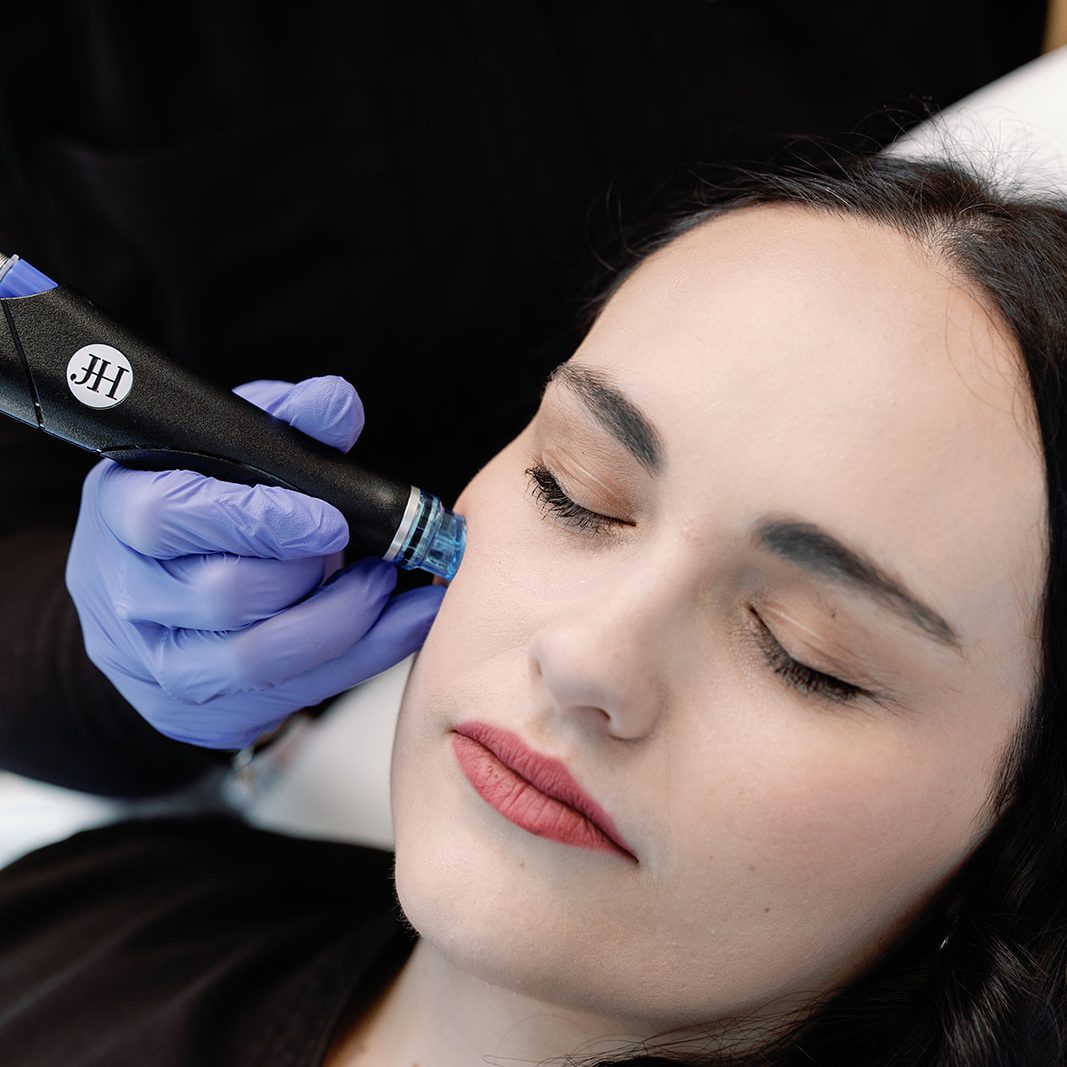
DiamondGlow® Facial
DiamondGlow® is an excellent complement to a melasma treatment plan. Using a precision diamond-tipped wand, it gently exfoliates the skin while infusing professional-grade serums to enhance absorption and improve skin health.
For patients with melasma, we often recommend the Even + Correct serum, which contains tranexamic acid to help reduce the appearance of discoloration, brighten uneven skin tone, and calm inflammation. DiamondGlow® also helps improve hydration, support the skin barrier, and maintain results between chemical peels and other professional treatments.
When combined with medical-grade skincare and daily sun protection, regular DiamondGlow® treatments help promote a brighter, smoother, and more even complexion.

PCA Skin® Pigment Correct Peel
The PCA Skin® Pigment Correct Peel is specifically formulated to address uneven pigmentation and melasma while remaining gentle enough for repeated treatments. This superficial peel promotes healthy skin renewal, gradually lightens discoloration, and helps improve overall skin tone with minimal downtime. It is an excellent option for patients seeking progressive improvement through a series of treatments.

VI Peel®
The VI Peel® penetrates slightly deeper to improve more established pigmentation while also addressing uneven texture, sun damage, and early signs of aging. By stimulating healthy skin renewal and collagen production, the VI Peel® helps reveal brighter, smoother skin and is often recommended as part of a comprehensive melasma treatment plan.
Because melasma can be easily reactivated by inflammation, heat, and UV exposure, professional peels should always be performed by experienced providers who understand pigment disorders and customize treatment to your individual skin. Many patients achieve the best results through a series of peels combined with medical-grade skincare and strict daily sun protection to help maintain long-term improvement.

Laser Treatments
Non-ablative laser therapy is preferred for treating melasma. However, laser treatment for melasma requires a conservative, cautious approach. Aggressive ablative lasers or high-energy settings can worsen pigmentation, particularly in patients with darker skin types.
Healthy Skin Starts Before Treatment
Whether you’re planning a chemical peel, laser resurfacing, or another pigment-correcting procedure, your skincare routine plays a critical role in your results. Preparing the skin before treatment and maintaining a medical-grade regimen afterward can help promote more even skin tone, support healthy healing, and extend the benefits of your professional treatments.
At Harpe Laser and Wellness, we take a holistic approach to melasma management by looking beyond pigmentation alone. We consider factors such as sun exposure, hormones, inflammation, skin health, and lifestyle when developing your treatment plan. By combining targeted medical-grade skincare, professional treatments, diligent sun protection, and ongoing maintenance, we aim not only to improve existing melasma but also to reduce the triggers that can cause pigmentation to return.




How We Personalize Melasma Treatment Plans
At Harpe Laser and Wellness, we approach melasma as a condition to understand rather than simply remove. Every treatment plan begins with a comprehensive assessment:
- Individual skin type evaluation - determining Fitzpatrick phototype, existing skin damage, and how your skin responds to treatment and inflammation
- Trigger identification - mapping your specific melasma triggers, including hormonal history (pregnancy, birth control, hormone therapy, menopause), sun and heat exposure patterns, and product sensitivities
- Depth assessment - evaluating whether your facial pigmentation is primarily epidermal, dermal, or mixed to guide treatment intensity and modality selection
- Customized maintenance protocols - building a long-term plan that includes medical-grade skincare, sun protection strategies, periodic professional treatments, and lifestyle modifications
- Combination therapy selection - choosing the right mix of topical agents, peels, laser therapies, and oral treatments based on your unique presentation and response
- Ongoing support and monitoring - scheduling follow-up assessments to track progress, adjust protocols, and address recurrence before it becomes visually significant
This consultative approach recognizes that managing melasma is a long-term partnership, not a one-time procedure.
What Results Can You Expect?
Melasma treatment requires patience - and honesty about what’s achievable.
Timeline: Topical therapies may begin to show improvement within 4–8 weeks. Chemical peels typically produce visible lightening over 2–3 months. Laser treatments often require 2–6 sessions spaced several weeks apart, with meaningful results developing over 2–6 months. Melasma can fade within three months after pregnancy in some cases, though this is not universal.
Extent of improvement: Clinical studies show MASI score reductions of 30–60% or greater with combination therapies, but complete elimination is rare, particularly in mixed or dermal melasma. The goal is significant, visible improvement and sustained control.
Maintenance is essential. Without stringent daily sun protection, avoidance of heat, ongoing topical maintenance therapy, and periodic professional treatments, melasma often returns. Relapses are part of the natural history of this condition, not a treatment failure.
Potential risks: Possible postinflammatory hyperpigmentation (more likely in patients with darker skin), irritation, and rebound pigmentation if treatments are stopped abruptly. Vitamin D supplements may support skin health during periods of strict sun avoidance, helping maintain adequate vitamin D levels while protecting against UV.
We believe that setting honest expectations from the beginning leads to greater satisfaction, better adherence, and ultimately better outcomes. Avoid sun exposure to prevent melasma from worsening, and commit to your maintenance plan; this is how lasting improvement happens.
Why Patients Choose Harpe Laser and Wellness
Melasma patients often undergo multiple failed treatments before they find us. They’ve been told their pigmentation would clear with one procedure. They’ve experienced rebound darkening. They’re frustrated and skeptical, and rightfully so.
At Harpe Laser and Wellness, we approach melasma differently:
- Deep experience treating melasma - we understand this is a complex, chronic skin condition that demands nuance, not aggressive one-size-fits-all protocols
- Personalized treatment planning - every plan is built around your skin type, triggers, hormonal history, and lifestyle, ensuring targeted therapies matched to your specific presentation
- Advanced pigmentation treatment technologies - including conservative laser protocols, medical-grade topicals, and combination strategies supported by current clinical evidence
- Realistic expectation setting - we tell you what to expect, how long it takes, and what maintenance looks like, because trust is built on honesty
- Long-term support - melasma management doesn’t end after your last treatment session; we provide ongoing monitoring, protocol adjustments, and maintenance therapy to help you fade melasma and keep it controlled
Serving the Asheville and Hendersonville communities, we understand the local environment, elevated UV index during Western North Carolina summers, outdoor lifestyles, and heat exposure, and factor these regional realities into every treatment plan.
If you’ve been struggling with melasma and want a partner who understands both the science and the emotional weight of this condition, we’re here to help you build a plan that works.
Why Patients Choose Harpe Laser and Wellness
Melasma patients often undergo multiple failed treatments before they find us. They’ve been told their pigmentation would clear with one procedure. They’ve experienced rebound darkening. They’re frustrated and skeptical, and rightfully so.
At Harpe Laser and Wellness, we approach melasma differently:
- Deep experience treating melasma - we understand this is a complex, chronic skin condition that demands nuance, not aggressive one-size-fits-all protocols
- Personalized treatment planning - every plan is built around your skin type, triggers, hormonal history, and lifestyle, ensuring targeted therapies matched to your specific presentation
- Advanced pigmentation treatment technologies - including conservative laser protocols, medical-grade topicals, and combination strategies supported by current clinical evidence
- Realistic expectation setting - we tell you what to expect, how long it takes, and what maintenance looks like, because trust is built on honesty
- Long-term support - melasma management doesn’t end after your last treatment session; we provide ongoing monitoring, protocol adjustments, and maintenance therapy to help you fade melasma and keep it controlled
Serving the Asheville and Hendersonville communities, we understand the local environment, elevated UV index during Western North Carolina summers, outdoor lifestyles, and heat exposure, and factor these regional realities into every treatment plan.
If you’ve been struggling with melasma and want a partner who understands both the science and the emotional weight of this condition, we’re here to help you build a plan that works.
Limited Time Offer:
Receive $100.00 OFF your first service*
*valid on purchases of services $250.00 or higher.
Book My Appointment
Booking your appointment with us is simple. Provide us with some general information & our team will take care of the rest. We look forward to seeing you in our Asheville or Hendersonville location.
"*" indicates required fields
Have questions? Get in touch with us.
Call Asheville Spa | Call Hendersonville Spa | appointments@drharpe.com